Chicago Student Moving: Dorm, Apartment and Storage Planning
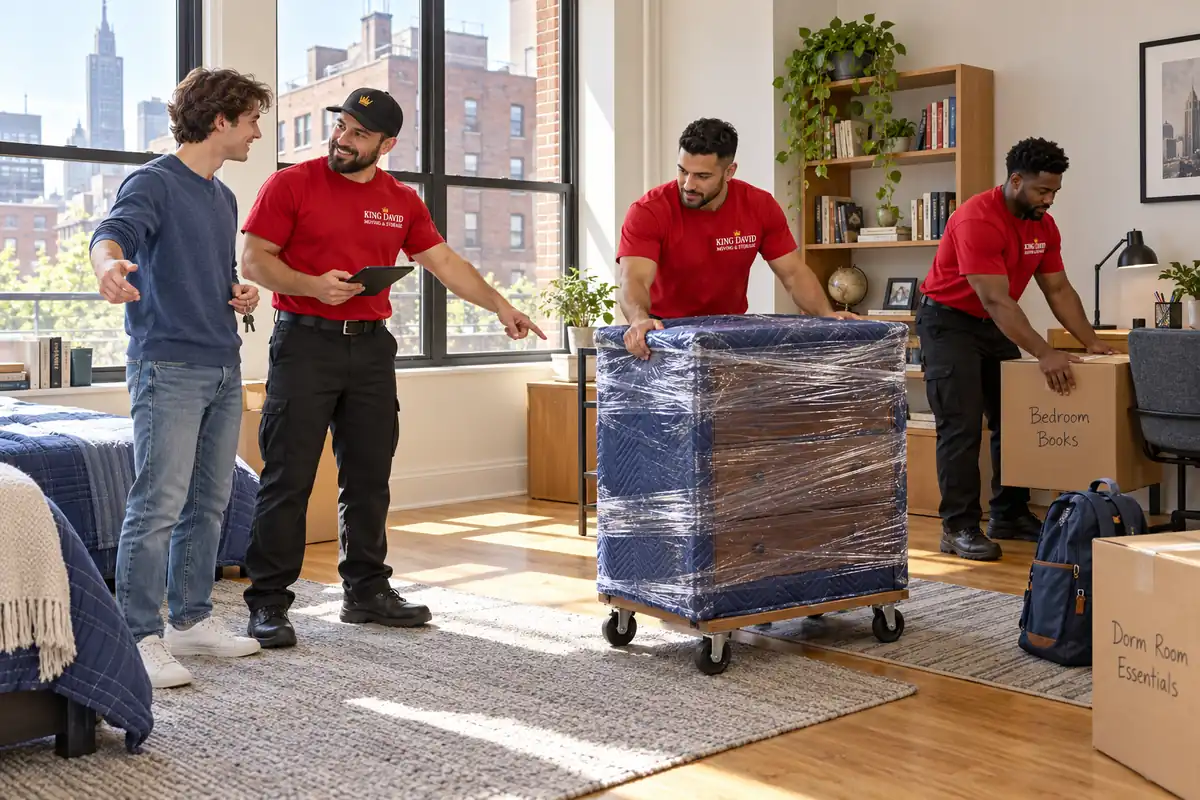
Chicago student moving gets easier when you match three things before packing: your housing deadline, the belongings you actually own and the date your next room becomes available. A dorm checkout, an apartment lease and a trip home may all fall on different days. That gap needs a plan just as much as the furniture does.
Start with a simple question: will everything go straight to your next address, or will some items go home and others into storage? Once you know the destinations, you can book the right help and avoid moving the same box twice.
Build your Chicago student moving plan around access
Write down the last time you can leave your current room and the first time you can enter the next one. Then confirm the loading entrance, floor, elevator arrangements, and who will meet the movers. An address alone does not tell a crew where to park or how to reach your room.
For campus housing, check the university’s current instructions before booking an outside company. Some schools identify preferred storage providers or set access procedures. For example, Northwestern Residential Services recommends an official summer-storage provider. DePaul Housing identifies a preferred partner for eligible Lincoln Park residents. Confirm your own building’s rules directly; a private moving reservation does not establish permission to enter a residence hall.
If you are moving off campus, ask the property manager about keys, loading space, and elevator reservations. Share those answers with your mover before agreeing on an arrival window.
Match the move to your next living arrangement
Moving into or out of a dorm
Check what the room already includes before bringing furniture. A bed, desk or dresser may belong to the university, and it should stay behind unless housing staff instruct otherwise. Compare the room’s approved-item list with your packing list, especially for appliances and additional furniture.
Next, separate personal belongings from anything shared with a roommate. Decide who owns the rug, microwave and shelving before moving day. Mark items that are staying in the room so they do not accidentally join the outgoing load.
Moving from a dorm to an apartment
A first apartment usually introduces a different problem: furniture that must fit through unfamiliar doors. Measure large pieces, stair turns, and the destination room before you collect a sofa or bed frame. Send photos of narrow landings to the mover.
Our small-move planning guide explains why a few large items can still require careful handling. Keep a separate list of furniture you plan to buy later; don’t include it in this move’s inventory.
Moving between shared apartments
Give every carton an owner’s name and destination room. If roommates are leaving for different addresses, use different label colors and separate their belongings physically. Tell the moving company about every pickup and delivery stop in advance.
Also agree on who can authorize changes and who will handle payment. One clear contact helps prevent conflicting instructions when several people are packing at once.
Choose where belongings will go between leases
A short housing gap can turn a simple move into pickup, storage and redelivery. Compare the complete arrangement before choosing student storage, including the return trip and any minimum storage period.
| Your situation | Practical approach | Confirm before booking |
| You receive the new keys before leaving the old room | Move directly between addresses | Both access windows and loading arrangements |
| Your next room is unavailable for several days | Arrange temporary storage | Minimum term, handling charges and delivery notice |
| You are leaving for the summer | Separate travel belongings from stored items | Access during storage and the fall delivery process |
| Roommates are going to different addresses | Divide and label each person’s inventory | Stops, ownership and the written service scope |
King David’s storage services include college and student storage needs. Ask what can be stored, how items are inventoried and how much notice is needed for delivery. Avoid packing a passport, medication or an essential laptop into a box you will not be able to retrieve easily.
Pack for your first week as well as moving day
Keep a personal bag with identification, keys, chargers, toiletries, daily clothing and bedding. Carry essential documents and valuables with you. You should be able to sleep, attend class and charge your phone without opening every carton.
Use small boxes for books and protect screens with suitable packing materials. Photograph cable connections before disconnecting electronics. If a mini refrigerator is part of the move, follow its manufacturer’s preparation instructions and the mover’s requirements; empty, clean and dry it before transport.
For furniture, agree on disassembly and protection in advance. Blankets protect surfaces, while stretch wrap can help hold protective materials in place. Tape should not go directly on a furniture finish. If finals leave little time, ask about professional packing services rather than assuming packing is included in transportation.
What changes the cost of a student move
For Chicago student moving, the number of rooms is only a starting point. A furnished dorm with personal boxes differs from an apartment with a mattress, bed frame, desk and sofa. Stairs, long carrying distances, extra stops and limited elevator access also affect the work.
Request a written estimate based on the actual inventory and route. Ask about labor minimums, travel charges, packing materials, furniture assembly and any storage or redelivery charges. Full packing adds working time beyond loading and moving; include it in the request from the beginning.
When comparing local moving services, compare the same scope. A lower hourly figure does not explain the final cost if one estimate excludes services the other includes. There is no single student rate that fits every building and inventory.
Prepare a clear handoff for moving day
The evening before, count boxes and mark the items that must stay behind. Keep the hallway clear, charge your phone and send the crew any final access instructions. Check who will be present at both addresses.
At pickup, walk through the inventory with the team and point out fragile items. Before returning keys, check drawers, closets and the bathroom. Follow the residence hall or landlord’s checkout process separately from the moving service.
At delivery, direct furniture into its intended position before cartons fill the room. Count boxes and inspect furniture with the crew. If belongings are going into storage instead, keep the inventory and confirm the next contact step for redelivery.
Student moving questions
How early should I arrange movers?
Start once your housing dates are available. Ask about availability before relying on a particular time slot, especially when your building assigns move-in windows. Confirm the booking after you understand access and cancellation terms.
Can I book movers for only a few pieces?
Ask for a quote using your exact list. A few pieces may still require equipment, wrapping or disassembly. Confirm the minimum charge and whether the company can accommodate your building’s access window.
Can a parent coordinate the move remotely?
Yes, if the moving company and building accept the arrangement. Identify the person who will provide access, approve the inventory and receive delivery. Agree on payment and authorization before the crew arrives.
Get help planning your student move
For Chicago student moving, send King David Moving & Storage your addresses, housing dates, floors and a short inventory. Include packing needs, extra stops and any gap before delivery. Call 847-470-0055 or request a free moving estimate to discuss a plan for your dorm, apartment or storage transition.
