Chicago Moving Permit and Truck Parking Guide
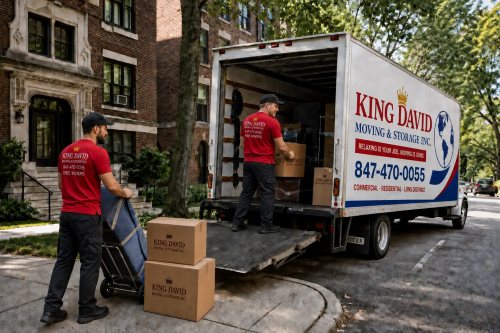
A Chicago moving permit is easy to overlook until the truck arrives and there is nowhere safe or legal to stop. On a quiet residential block, curb space may be available without special arrangements. In a dense neighborhood, beside a high-rise, or on a paid-parking street, planning the truck position can be just as important as reserving the elevator.
The goal is not simply to place signs outside. It is to understand which signs are enforceable, who can request them, and which restrictions still apply. This guide explains the practical options for professional moves and do-it-yourself moves, with links to current Chicago resources.
Quick Answer: Do You Need a Chicago Moving Permit?
Not every move requires reserved curb space. However, when a professional moving truck needs to hold a specific portion of a public street, ask the moving company whether an enforceable CDOT residential-move permit is appropriate. Several Chicago ward offices currently explain that eligible moving companies can request enforceable no-parking signs through the Chicago Department of Transportation.
Residents completing a self-move may be able to request free courtesy signs from their ward office. Those signs ask neighbors to leave space, but they generally do not authorize ticketing or towing. Policies and lead times vary by ward, so use the City of Chicago Ward Lookup to find the correct office for each address.
Two Types of Chicago No-Parking Signs for Moving
Courtesy signs from a ward office
Many ward offices provide complimentary moving signs for residents who are moving themselves. The 44th Ward residential-move guidance describes these signs as non-enforceable and asks residents to post them at least 48 hours in advance. Other wards may use different request forms, time windows, or eligibility requirements.
A courtesy sign is useful notice, but it does not guarantee an empty curb. If another vehicle remains in the space, the sign alone may not provide grounds for a ticket or tow.
Enforceable CDOT signs for a professional move
For curb space that needs legal enforcement, eligible moving companies can apply through the City of Chicago Inspection, Permitting and Licensing Portal. Current ward guidance, including information from the 49th Ward, states that these signs can enable ticketing or towing and identifies a $25 permit fee. Because fees and processing procedures can change, confirm the current amount and lead time before relying on it.
An enforceable Chicago moving permit reserves approved curb space for the permitted period. It does not cancel hydrant restrictions, bus stops, crosswalks, driveways, existing tow zones, street-cleaning restrictions, or other posted rules.
| Feature | Ward courtesy signs | CDOT enforceable signs |
| Typical user | Resident completing a self-move | Eligible professional moving company |
| Enforcement | No ticket or tow authority | May allow ticketing or towing |
| Cost | Often free | Current ward guidance cites $25; verify |
| Where to start | Your ward office | Chicago permit portal or CDOT |
| Planning | Ward rules vary | Apply early enough for approval and posting |
How to Plan Moving Truck Parking Step by Step
1. Inspect both addresses
Look at the pickup and delivery locations before moving day. Note paid-parking spaces, loading zones, bus stops, bike lanes, fire hydrants, driveways, one-way streets, alleys, street-cleaning signs, and any time-based restrictions. A legal space close to the entrance can shorten the carry, while a distant space can add walking time to every trip.
2. Ask the building about its requirements
Apartments and managed buildings may require an elevator reservation, a loading-dock appointment, a certificate of insurance, protective floor covering, or a specific moving window. These building rules are separate from the Chicago moving permit process. Review them before confirming the crew arrival time. Our Chicago apartment movers page explains the moving services available for apartments, condos, and high-rises.
3. Decide whether space must be reserved
If the block normally has open legal parking and the carry is manageable, special curb reservation may not be necessary. If the entrance is on a crowded street, the building has no loading dock, or a long carry would slow the job, discuss enforceable signs with your moving company early.
4. Confirm responsibility and timing
Do not assume the customer, building, or mover is handling the same task. Confirm who will apply, who will post approved signs, what area is covered, and when the restriction begins and ends. If you are moving yourself, contact the correct ward office and follow its posting instructions exactly.
5. Recheck the curb before the truck arrives
Review the street the evening before and again on moving morning. Make sure approved signs remain visible and that no newer restriction has appeared. Keep the permit information and building contact available so questions can be handled quickly.
Where a Moving Truck Should Not Park
A convenient location is not automatically a legal location. Never plan truck access that blocks emergency or pedestrian movement. Pay attention to all permanent and temporary signs at the curb.
- Fire hydrants and marked fire lanes
- Crosswalks, curb ramps, and intersections
- Driveways and garage entrances
- Bus stops, bike lanes, and travel lanes
- Existing tow zones and restricted loading areas
- Paid spaces or commercial streets unless the approved arrangement covers them
- Street-cleaning or event restrictions that take priority
The Office of the City Clerk commercial-vehicle guidance explains that Chicago applies special rules to certain commercial vehicles and locations. Professional movers should evaluate the actual truck, street, and job rather than treating a passenger-car permit as a substitute.
What About PODS and Portable Storage Containers?
Do not assume a courtesy moving sign allows a portable container to remain in the public way. Multiple ward offices state that moving containers may not be placed on streets, sidewalks, alleys, parkways, or other public areas and should be kept on private property. Confirm placement before scheduling delivery.
Truck Parking Is Only One Part of Chicago Move Planning
Good access saves time, but the move also depends on the right crew, the correct truck size, a complete inventory, packing readiness, elevator coordination, and realistic travel timing. King David Moving & Storage provides local moving services in Chicago as well as professional packing services for customers who want help preparing household items.
When requesting an estimate, share both addresses, floor levels, elevator details, walking distance, building restrictions, and any heavy or delicate items. That information helps the moving company recommend an appropriate plan before moving day.
Chicago Moving Permit FAQ
Are ward moving signs enforceable?
Generally, no. Chicago ward offices commonly describe their free residential-move signs as courtesy signs that do not authorize ticketing or towing. Check the policy of the ward where the move will occur.
Who applies for enforceable moving signs?
Current Chicago ward guidance directs eligible professional moving companies to the CDOT permitting process. Ask your mover early whether your address and moving plan require reserved curb space.
How early should signs be posted?
Several ward offices instruct residents to post courtesy signs at least 48 hours before the move. Enforceable permits should be requested far enough in advance for processing and posting. Confirm current requirements rather than waiting until the day before.
Can a moving permit override a fire hydrant or tow zone?
No. A curb reservation does not make an otherwise prohibited location legal. Existing restrictions and safety rules still apply.
Do apartments require more than a parking permit?
Often, yes. A building may require elevator reservations, loading-dock scheduling, a certificate of insurance, or approved moving hours. Contact management before booking the final arrival time.
Plan Your Chicago Move with King David Moving & Storage
The best time to solve parking and building-access questions is before the crew is dispatched. Tell us about your addresses, inventory, stairs, elevator, loading area, and moving date. Call (847) 470-0055 or request a free moving estimate so King David Moving & Storage can help you plan the right moving service.
