How Long Does a Local Move Take in Chicago?
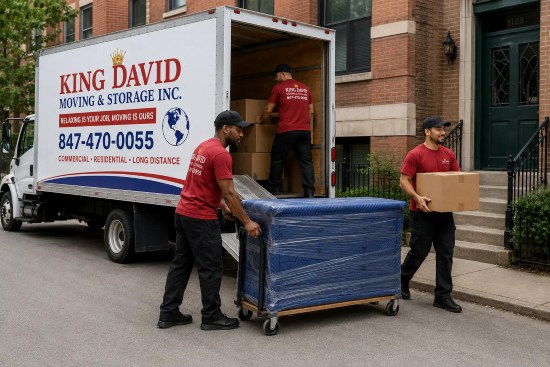
How long does a local move take in Chicago? Most local moves take a few hours to a full working day. For example, a prepared studio or small one-bedroom apartment may take about 2 to 4 hours. A furnished two- or three-bedroom home may require 5 to 9 hours. However, larger homes, difficult access, extra stops, or extensive packing can take longer. For a more accurate schedule, ask the mover to review the complete inventory, crew size, parking, and building access before moving day.
Bedroom count is only a starting point because two homes with the same number of rooms can produce very different moving times. For example, one may have an elevator, a reserved loading area and sealed boxes. In contrast, the other may involve three flights of stairs, a long walk to the truck and furniture that still needs disassembly. Therefore, a useful estimate reflects the real work at both addresses.
Quick answer: Plan for 2 to 4 hours for many small prepared moves, 4 to 7 hours for many two-bedroom moves, and 6 to 10 hours or more for larger homes. These are planning ranges—not guaranteed service times.
Estimated Local Moving Times by Home Size
The table below provides general planning ranges for a local move with ordinary household goods. However, volume, access, travel, packing readiness and requested services can change the actual time.
| Move size | Typical crew | Planning range |
| Studio apartment | 2 movers and a truck | About 2–4 hours |
| One-bedroom apartment | 2–3 movers and a truck | About 3–5 hours |
| Two-bedroom home or apartment | 3–4 movers and a truck | About 4–7 hours |
| Three-bedroom home | 4 movers and a truck | About 6–9 hours |
| Four-bedroom home | 4–5 movers and a truck | About 8–12+ hours |
| Few items or in-building move | Crew selected for the items and route | Often a few hours; minimums may apply |
Important: These examples do not promise a completion time or price. A detailed moving estimate should account for your inventory, services, addresses and access conditions.
Full packing and moving take longer. The planning ranges above assume you have packed, sealed and labeled ordinary household items before the movers arrive. If you request full packing service, allow additional time for the crew to pack your belongings before loading and moving them. The extra time depends on the size of your move, the amount of belongings, fragile items and crew size. For larger homes, the mover may recommend a separate packing day. Therefore, ask for a schedule that includes both packing and moving when requesting your estimate.
The Eight Factors That Change Moving Time
1. The Actual Inventory
The number of furniture pieces and cartons matters more than square footage alone. For example, movers may finish a lightly furnished two-bedroom apartment faster than a one-bedroom apartment filled with books, storage bins, artwork and oversized furniture. Also, include garages, balconies, basements and storage lockers when preparing the inventory.
2. Packing Readiness
Open cartons, loose kitchen items and unfinished closets slow loading because the crew cannot safely place loose belongings on the truck. Unless you schedule packing service, box, seal and label ordinary household items before the movers arrive. Then, keep your personal essentials separate so you can find them easily.
Need help finishing the home? Review King David’s professional packing services.
3. Stairs and Elevator Access
Every flight of stairs adds repeated carrying time. However, a reserved elevator close to the unit can help the crew work efficiently. In contrast, a slow elevator that residents also use can create delays. Therefore, confirm the reservation, service entrance, elevator dimensions and approved hours with building management.
4. Distance From the Door to the Truck
A truck parked near the entrance creates a shorter work path than one down the block, around a courtyard or on another garage level. Because movers repeat that path for every piece, a long carry can add substantial time even when the apartment itself is small. Share that walking distance when you request your estimate.
5. Furniture Disassembly and Protection
Movers may need to take apart beds, tables, sectionals and shelving so they can pass through the route. In addition, the crew protects furniture with appropriate blankets, clear stretch wrap, straps or other materials. This preparation takes time, so include it in the schedule when discussing the job.
6. Heavy or Specialty Items
Pianos, safes, exercise equipment, stone pieces and oversized furniture may require more movers, specialized equipment or a separate handling plan. Therefore, send photographs, dimensions, weight information and stair details before moving day. The mover can then assess the route and equipment needs.
Related service: Chicago furniture movers.
7. Travel and Multiple Stops
Local moving time includes work at pickup and delivery plus travel between locations under the company’s estimate terms. However, traffic, distance and an extra pickup or delivery stop can change the schedule. Therefore, share every address when requesting the estimate so the mover can plan the complete route.
8. Crew Size
The smallest crew is not always the fastest or best value. For example, a third or fourth mover may raise the hourly crew rate but reduce the hours needed for a larger inventory, stairs or a strict elevator window. However, the crew still needs enough space to work safely. Ask the mover to explain the recommendation for your inventory and route.
Compare crew options in Two Movers and a Truck in Chicago: Is It Enough?.
How the Moving Day Is Usually Divided
- First, arrival and walkthrough: the crew confirms the inventory, access route, special items and work instructions.
- Next, furniture preparation: the movers disassemble agreed pieces, then pad and wrap the furniture.
- Then, loading: the crew moves cartons and furniture in a sequence that protects the shipment and uses truck space efficiently.
- After loading, travel: the truck follows the planned route to the next stop or final address.
- Next, unloading and placement: the crew takes cartons to labeled rooms and places furniture where you direct.
- Finally, reassembly and walkthrough: the movers rebuild agreed furniture, and you check the truck and rooms.
How to Help Your Local Move Finish Efficiently
- Complete an accurate inventory before accepting the estimate.
- Finish ordinary packing unless you have booked packing service.
- Label cartons by destination room and keep labels visible.
- Reserve the freight elevator and loading area in writing.
- Clear hallways, stairs and doorways before the crew arrives.
- Separate belongings that will stay, items you plan to donate and essentials you will take with you.
- Tell the mover about heavy items, narrow turns and long walking distances.
- Keep children and pets away from the active moving path.
- Have a decision maker available at both addresses.
Chicago Parking and Building Timing
Street access and building rules can control the schedule as much as the inventory. Ask where the truck may legally load and whether the property requires a dock reservation, Certificate of Insurance, floor protection or service-elevator padding. If public curb use or a City of Chicago parking permit form may be involved, confirm the current procedure instead of relying on an unofficial sign.
Use King David’s Chicago moving permit and truck parking guide and the Chicago high-rise moving guide for more preparation details.
How to Request a More Accurate Time Estimate
Provide the moving company with a room-by-room inventory, photographs of large items, both addresses, floor levels, stair counts, elevator details, walking distance to parking and every requested service. Mention furniture assembly, packing, storage and additional stops. If the inventory or access changes, update the mover before the service date.
King David Moving & Storage can recommend a crew and planning range based on the move itself—not only the bedroom count. A clear estimate helps you coordinate building reservations, keys, closing appointments and the rest of the moving day.
Frequently Asked Questions
Can a local Chicago move be completed in one day?
Many local moves are completed in one day. Large inventories, extensive packing, multiple stops or restricted building access may require a longer plan. Ask the mover to evaluate the complete scope.
How long does a one-bedroom apartment move take?
A prepared one-bedroom move often takes roughly 3 to 5 hours, but stairs, elevators, parking, furniture volume and travel can change the time.
Do movers charge for travel time?
The answer depends on the mover’s estimate and applicable service terms. Ask how travel, minimum hours and any other charges are calculated before booking.
Will adding another mover make the move faster?
It can, especially with stairs, a larger inventory or a limited elevator window. The best crew size depends on whether multiple people can work safely at the same time along the route.
What causes the biggest moving-day delays?
Common causes include unfinished packing, missing elevator reservations, distant parking, inaccurate inventories, furniture that will not fit through the planned route and undisclosed heavy items.
Get a Local Moving Plan Based on Your Home
If you want to know how long your Chicago move may take, start with the actual inventory and access at both properties. Call King David Moving & Storage at (847) 470-0055 to find out how long a local move takes in Chicago or request a free moving estimate online. Our team can help plan the crew, truck, furniture protection, and moving-day schedule.
